The project
The project focuses on the conservation of the Apennine yellow-bellied toad, Bombina pachypus, an amphibian endemic to peninsular Italy and severely threatened by the degradation and disappearance of the small water bodies it uses for breeding.
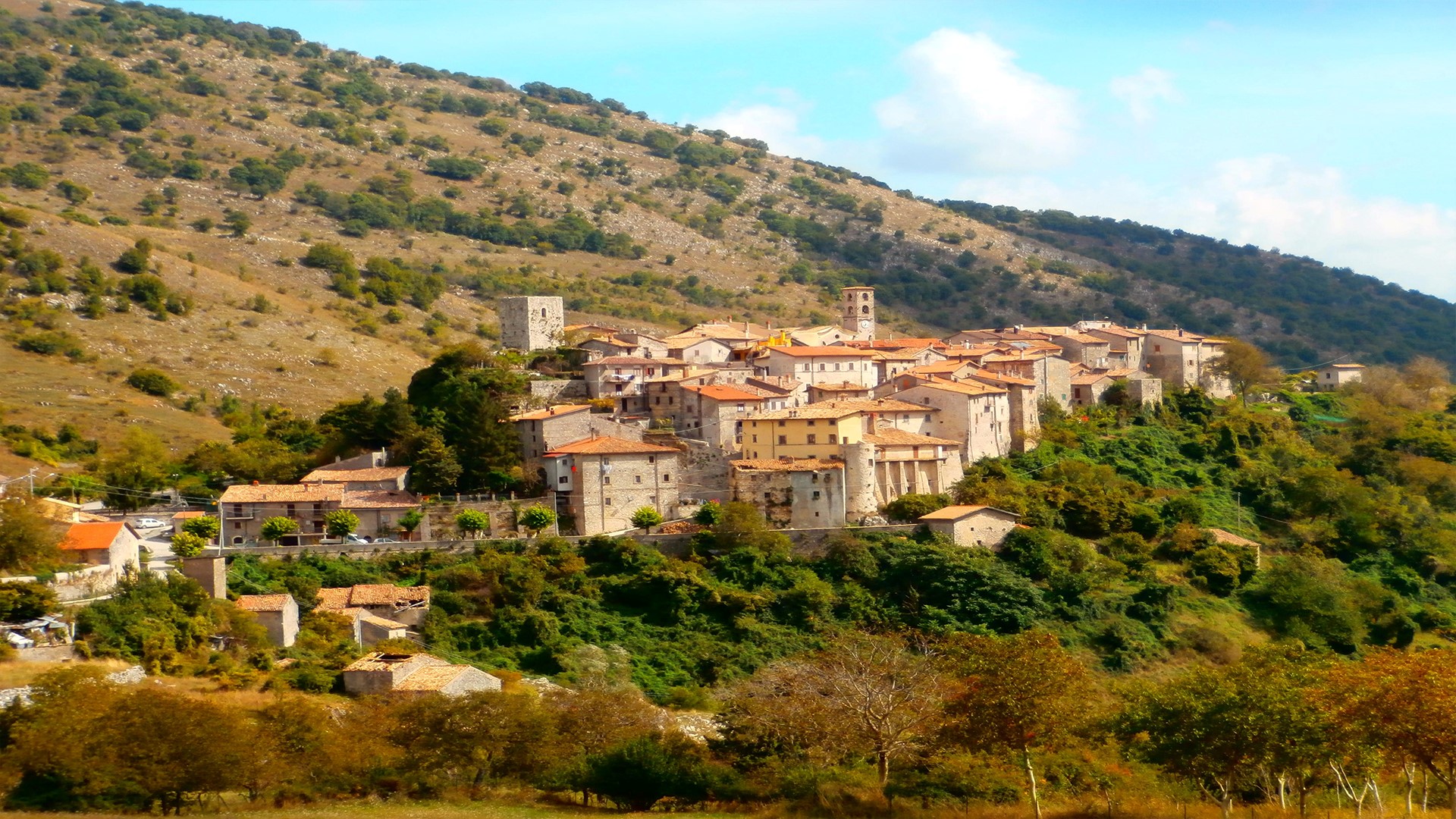
At the Monti Navegna e Cervia Regional Nature Reserve, the Department of Science of Roma Tre University, Fondazione Bioparco di Roma and Reserve staff developed an integrated in situ and ex situ conservation programme. At the study sites, the main threats were the premature drying of breeding pools and habitat alteration by wild boar and livestock.
Aims
- restore and supply breeding pools to extend their hydroperiod;
- protect breeding sites from disturbance by ungulates;
- rear a proportion of eggs collected in the wild at Bioparco di Roma;
- release young individuals at their source sites and monitor survival, growth and movement;
- develop replicable protocols for recovering small declining populations.
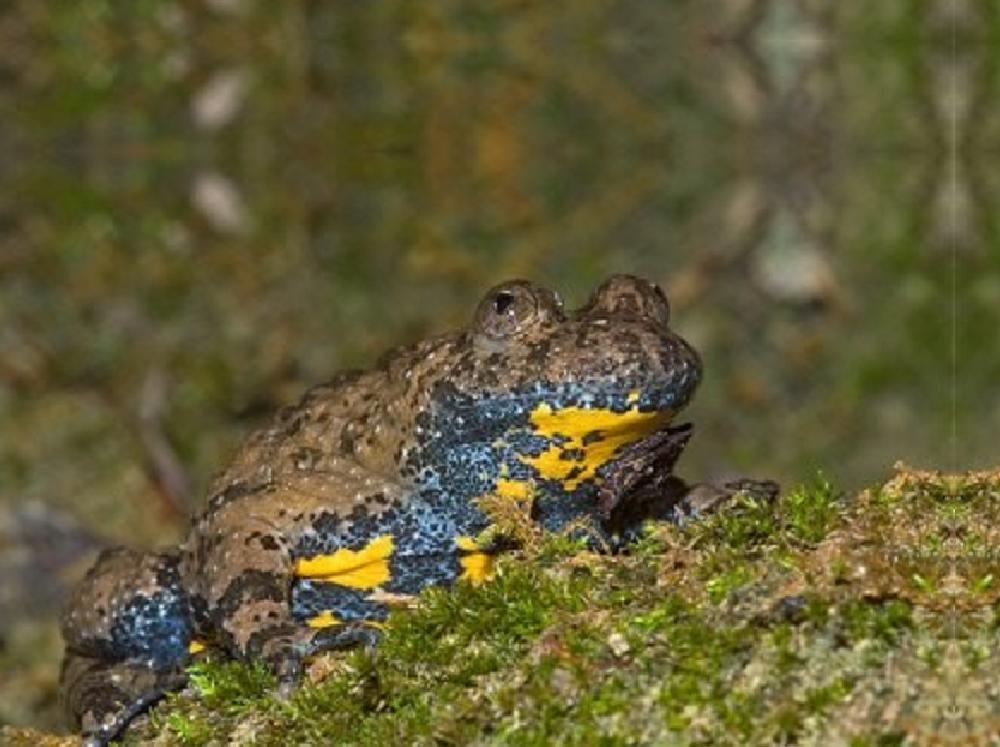
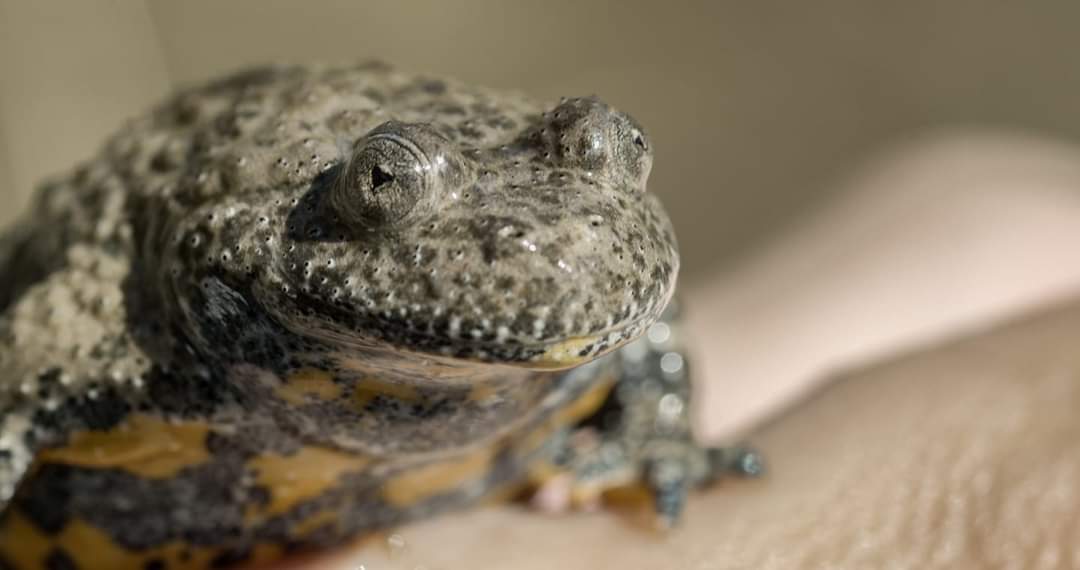
A total of 67 young toads were released between 2014 and 2017. Monitoring through photographic identification of their unique ventral patterns made it possible to assess the outcome of the restocking actions.
Small water bodies, a network of habitats
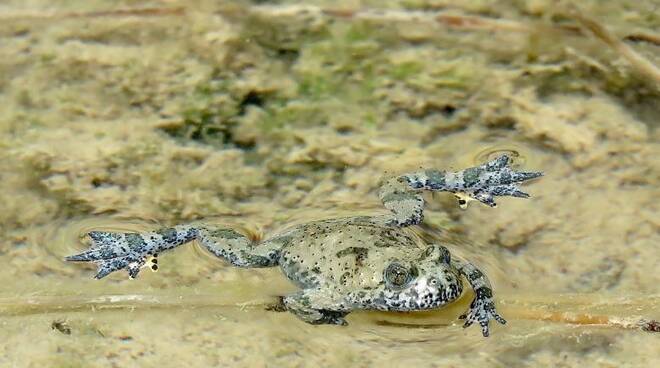
The Apennine yellow-bellied toad uses shallow, often temporary and sun-exposed water bodies: pools, springs, seepages, flooded meadows and stream-side depressions. Traditional livestock troughs and fountains can also provide important breeding sites. Conservation therefore concerns a mosaic of aquatic and terrestrial habitats rather than a single pond.
Early drying can prevent larvae from completing metamorphosis. Abandonment, inappropriate maintenance, sediment accumulation, excessive shading and trampling can also reduce site suitability. The aim is to maintain a network of complementary water bodies with nearby terrestrial refuges.
ULUNET: monitoring, movement and integrated conservation
Supported by the PNRR–NBFC programme, ULUNET connected Abruzzo, Lazio and Molise National Park, Monti Lucretili Regional Nature Park and Monte Navegna e Cervia Regional Nature Reserve, with scientific coordination by the University of L’Aquila’s MESVA Department. Researchers from Roma Tre University, Bioparco di Roma and the University of Tuscia also contributed.
Activities documented in 2025 include monitoring historical and potential sites, genetic and health investigations and a geographic site database. An individual register, or studbook, combines identification, phenotypic traits, genetic information and ex situ records to track animal provenance and history.
A research component addressed biologging through controlled tests of device effects and field tracking using accelerometers and magnetometers. Reconstructing movements helps identify the use of pool margins and surrounding terrestrial habitats. These observations show why protection should extend beyond the water’s edge to include shelter and movement routes.
Captive rearing at Bioparco complemented fieldwork. In September 2025, 44 subadults were available, raised from eggs and larvae collected at six PNALM sites. The release planned for that autumn had been postponed because temperatures were unsuitable.
In July 2026, 44 individuals, approximately one and a half years old, were released under ULUNET. Monitoring recorded reproduction by released animals soon after release. During surveys conducted through mid-September 2026, approximately 70% of the released animals were re-encountered.
BombHab: site evidence to guide conservation
In Appennino Lucano – Val d’Agri – Lagonegrese National Park, BombHab, within the PNRR–NBFC framework, developed the evidence base and management tools for toad conservation. The report on activities conducted in 2025 by the University of L’Aquila’s MESVA Department under its agreement with the Park documents surveys at 30 sites and the selection of ten priority sites for intervention planning.
Surveys assessed natural and artificial habitats, species occurrence, threats, ecological quality and potential connections between sites. Environmental-DNA analyses by the MESVA laboratory also identified two new occurrence sites within the Park.
Outputs include a shared geodatabase, a genetic and phenotypic studbook and an operational protocol covering site selection, monitoring, captive breeding and release procedures. These tools connect field observations with conservation planning and technical staff training.
From occurrence to population recovery
Assessing outcomes requires tracking individuals, reproduction, successful larval development and habitat conditions over time. Genetics and health screening inform potential ex situ measures and conservation translocations, considering animal provenance and pathogen-transfer risks.
Monitoring also supports adjustments to management. Restored pools and troughs require ongoing maintenance, attention to water availability and coordination with local land users. Continuity between research, protected-area management and local activities is part of long-term conservation.
Learn more
- Conservation of Apennine yellow-bellied toad – PANORAMA
- Publication in the Roma Tre University repository
- Amphibian research and conservation – AIGZOO
Publications
- de Meis S., Bissattini A.M., Venchi A., Bologna M.A. & Vignoli L. (2022). Feeding ecology of the endangered Apennine Yellow-bellied Toad (Bombina pachypus) in central Italy. Canadian Journal of Zoology.
- Mirone A., Giovacchini P., Bologna M.A., Bruno D., Caprotti M., Di Febbraro M., Jamwal P., Monaco A., Ramazzotti F., Vignoli L., Galimberti A. & Loy A. (2024). New eDNA-based insights for the detection of endemic and endangered Apennine yellow-bellied toad and its pathogenic fungus Batrachochytrium dendrobatidis. Amphibia-Reptilia.
Gallery
In the media…
Broadcasts, interviews and articles about the conservation of the Apennine yellow-bellied toad.
 RAI - Animali in città: Anfibi
RaiPlay - Animali in città, episodio dedicato agli anfibi
Open article ↗
 Il progetto di conservazione dell’ululone appenninico
Rietinvetrina - Presentazione del progetto di conservazione
Open article ↗
 Il piccolo ululone rischia di estinguersi
Il Punto Quotidiano - Approfondimento sull’ululone appenninico
Open article ↗
 Si rinnova il patto a tre per evitare l’estinzione dell’ululone appenninico
Parchi Lazio - Riserva Naturale Regionale Monti Navegna e Cervia
Open article ↗
 A Vallecupola il progetto di conservazione dell’ululone appenninico
Frontiera Rieti - Attività di conservazione a Vallecupola
Open article ↗
 Riportati in natura 33 esemplari di ululone appenninico
Riserva Naturale Regionale Monti Navegna e Cervia - Prosegue il progetto di conservazione
Open article ↗